
In today’s modern world, advancements in technology have enabled scientists to better predict and detect seismic activity. One crucial component in this process is the use of seismic wire. This specialized wire plays a significant role in monitoring and measuring seismic waves, providing vital information that can help save lives during earthquakes.
seismic wire, also known as seismometer cables, are used in seismometers to detect ground motions caused by earthquakes, volcanic eruptions, and other seismic events. These cables are typically made of materials like copper or aluminum, with a core sensor that converts ground vibrations into electrical signals. These signals are then sent to a data recording device for analysis.
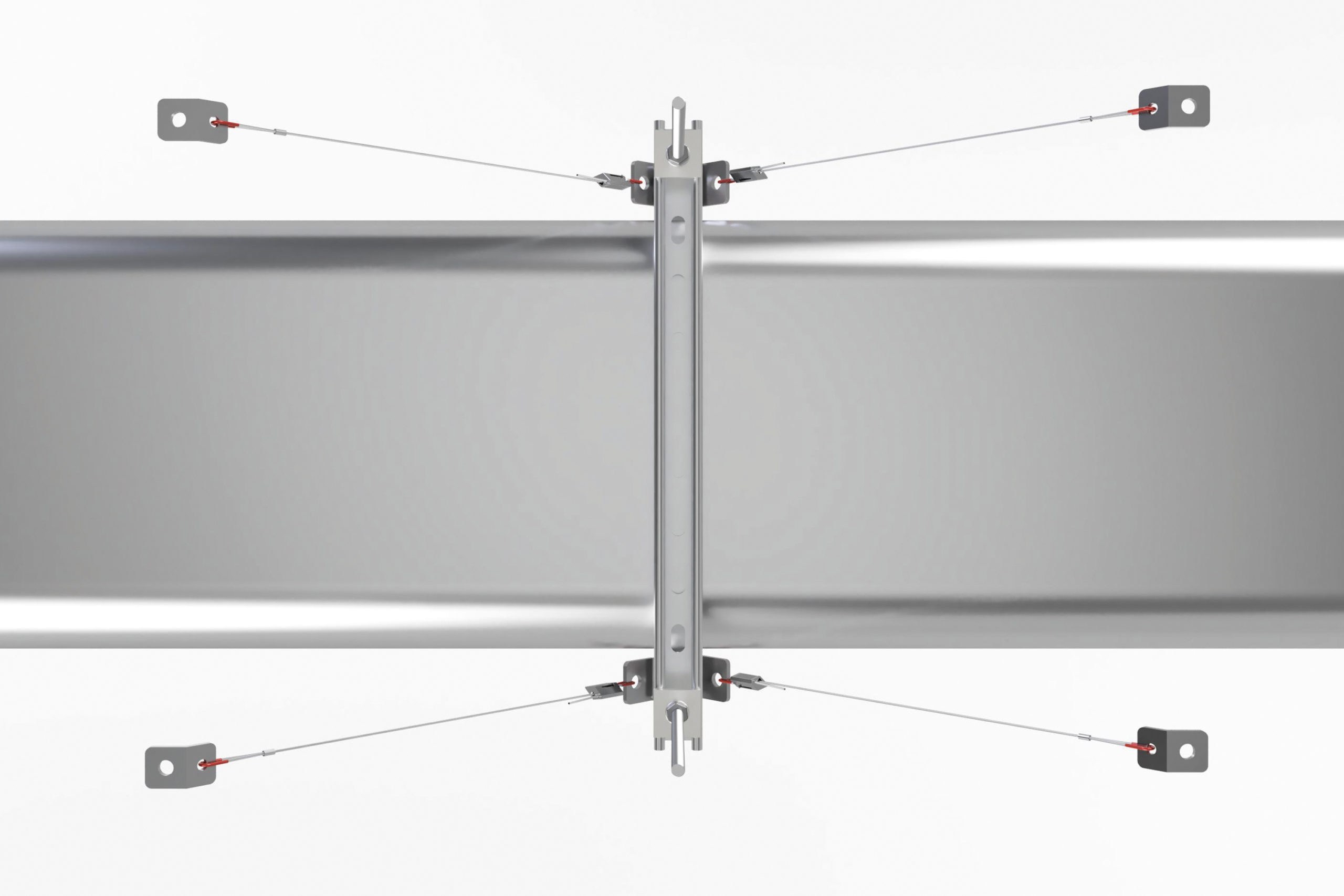
The primary function of seismic wire is to accurately measure the amplitude and frequency of seismic waves. By monitoring these parameters, scientists can determine the location, magnitude, and depth of an earthquake, providing critical information for early warning systems and emergency response efforts.
One of the key advantages of seismic wire is its ability to detect low-frequency seismic waves that are often imperceptible to humans. These waves can travel long distances through the earth’s crust, making them ideal for monitoring and early detection of seismic events. Seismometers equipped with seismic wire can detect even the slightest ground movements, allowing scientists to track the progression of an earthquake and assess its potential impact.
Another important application of seismic wire is in structural health monitoring. By installing seismometers with seismic wire in buildings, bridges, and other infrastructure, engineers can assess the impact of seismic events on the structural integrity of these structures. This information is essential for designing more resilient buildings and ensuring the safety of occupants during earthquakes.
In addition to monitoring seismic events, seismic wire is also used in geophysical surveys to map the subsurface structure of the earth. By measuring the variations in ground vibrations, scientists can create detailed geological maps that help identify potential seismic hazards and locate valuable natural resources.
The use of seismic wire has revolutionized the field of seismology and earthquake engineering, enabling scientists to better understand the complex dynamics of seismic events. With advances in technology, seismic wire has become more sensitive and reliable, allowing for real-time monitoring of seismic activity and improved hazard assessment.
As seismic events continue to pose a threat to communities around the world, the importance of seismic wire in earthquake detection cannot be overstated. By investing in sophisticated seismometer systems equipped with high-quality seismic wire, governments and organizations can enhance their ability to monitor and respond to seismic activity, ultimately saving lives and minimizing the impact of earthquakes on society.
In conclusion, seismic wire plays a crucial role in earthquake detection and monitoring. By accurately measuring ground vibrations and seismic waves, seismic wire provides essential data for predicting and responding to seismic events. As technology continues to advance, the use of seismic wire will become increasingly important in safeguarding communities from the devastating effects of earthquakes.